South Kensington SW7 removals access tips for tight streets
Moving in South Kensington can feel like a neat little puzzle that suddenly has too many pieces. Narrow streets, busy loading bays, permit restrictions, basement flats, shared entrances, and the odd parked car that seems to have been there since morning all make a simple move more complicated than it first looks. If you are looking for practical South Kensington SW7 removals access tips for tight streets, this guide walks you through what actually matters on moving day, without the fluff.
Truth be told, the biggest challenge is rarely the lift of a box or the weight of a sofa. It is access. Can the van stop safely? Can the crew carry items in without blocking the road? Will your parking plan survive real-world London traffic? Those are the questions that decide whether a move feels calm or chaotic. Below, you will find clear steps, sensible planning advice, and a few hard-won lessons that make a proper difference.
We will cover how access planning works in tight SW7 streets, what to check before move day, how to reduce delays, and how to choose the right removal approach for a tricky property. A few useful internal resources are included where they genuinely help, such as house removals, flat removals, and man and van options for smaller or more complex moves.
Table of Contents
- Why South Kensington SW7 removals access tips for tight streets Matters
- How South Kensington SW7 removals access tips for tight streets Works
- Key Benefits and Practical Advantages
- Who This Is For and When It Makes Sense
- Step-by-Step Guidance
- Expert Tips for Better Results
- Common Mistakes to Avoid
- Tools, Resources and Recommendations
- Law, Compliance, Standards, or Best Practice
- Options, Methods, or Comparison Table
- Case Study or Real-World Example
- Practical Checklist
- Conclusion
- Frequently Asked Questions
Why South Kensington SW7 removals access tips for tight streets Matters
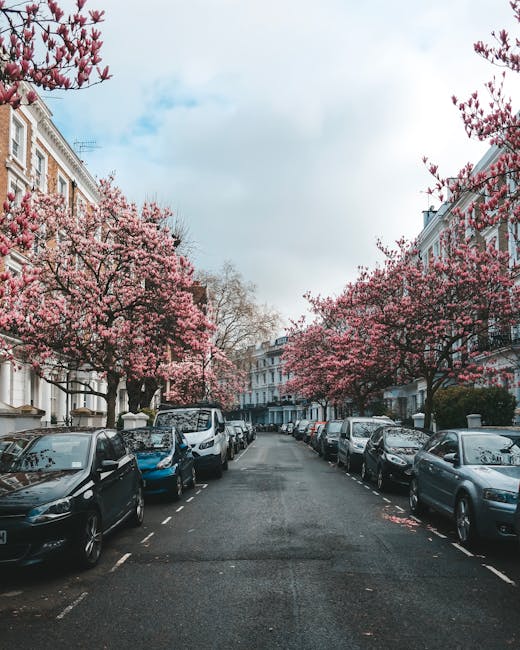
South Kensington has a very particular moving-day personality. Beautiful streets, yes. Convenient for large vehicles? Not always. The area includes period terraces, mansion blocks, basement flats, garden squares, service roads, and high foot traffic. Put simply, the margin for error is small. If your removals plan assumes a van can just pull up and stay put, you may be in for a long morning.
Access matters because every small delay ripples outward. A blocked entrance means slower loading. A van parked too far away means extra carrying distance. A missed parking restriction can turn into a fine, a time penalty, or both. And in tight streets, a five-minute delay can become a thirty-minute problem very quickly. London has a way of doing that. Bit rude, really.
There is also the people factor. Neighbours still need access. Delivery drivers still need to pass. Pedestrians, cyclists, taxis, and refuse collection all keep moving. A well-planned removals job respects that reality rather than fighting it. That is why access planning is not just a logistics detail; it is the backbone of the whole move.
If you are combining a move with temporary storage, planning becomes even more important. A service such as removals and storage can help if your new home is not ready, or if access constraints make a same-day full unload awkward.
How South Kensington SW7 removals access tips for tight streets Works
Good access planning starts before the van arrives. In practice, it means looking at your property, the street outside, the route in, and the likely pinch points. You are checking how the crew and vehicle will actually operate, not how the move looks on a booking form.
The process usually follows a few stages:
- Assess the street and building access - Measure the distance from where the vehicle can legally stop to your front door, loading point, or entrance. Check for steps, narrow gates, awkward corners, low railings, and any need for a lift.
- Match the vehicle to the street - A large van may be ideal for volume, but not if it cannot get close enough. In some SW7 streets, a smaller vehicle or shuttle-style loading arrangement is simply more practical.
- Plan parking and timing - Move early enough to avoid peak congestion where possible. If there are restrictions, make sure the stopping arrangement is understood and allowed before the first box is lifted.
- Prepare the property - Clear corridors, protect floors, remove obstacles, and keep doors open where safe. Tiny delays inside the building matter almost as much as the street outside.
- Adjust on the day - Real-world moving is not theoretical. A builder's skip, a delivery lorry, or a parked car can change the plan. A good removals team will adapt quickly rather than freeze up.
That flexibility is the quiet difference between a move that feels controlled and one that turns into a shuffle-and-sigh situation by 10:30am. And yes, there is always at least one box that somehow weighs more than physics allows.
For smaller properties, awkward staircases, or short-notice jobs, small removals can be a better fit than a full-scale truck-and-team approach. It depends on the street, the load, and how much walking distance is involved.
Key Benefits and Practical Advantages
Sorting access properly gives you more than convenience. It changes the whole feel of moving day.
- Faster loading and unloading - Shorter carry distances mean less time spent moving items between the door and the vehicle.
- Lower risk of damage - Fewer tight turns, fewer awkward lifts, fewer chances of scraping walls, bannisters, or furniture.
- Less stress on the day - When access is clear, the team can work in a steady rhythm instead of stopping to improvise every few minutes.
- Better protection for neighbours and pedestrians - A well-managed move respects shared spaces and avoids unnecessary disruption.
- More accurate scheduling - If your access plan is realistic, arrival windows and labour estimates are usually more reliable.
- Smarter use of storage - In difficult access situations, you can split the move into stages and use storage as a buffer.
There is also a financial upside, even if it is not always obvious upfront. Less waiting time, fewer awkward handling issues, and better vehicle planning can reduce avoidable extra costs. Nobody loves paying for avoidable chaos. Not once, not twice.
If access is tight and you need a place to stage items, self storage or short-term storage can take some pressure off the moving day itself.
Who This Is For and When It Makes Sense
This topic matters for anyone moving in or around SW7, but it is especially useful if your property is one of the following:
- a basement or lower-ground flat with a narrow stairwell
- a mansion block with controlled entry or lift access rules
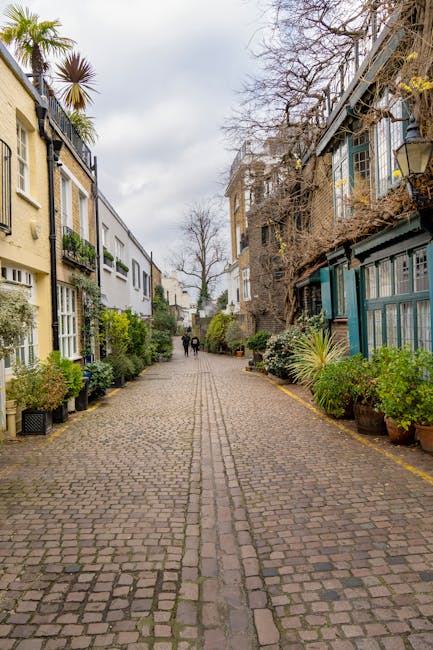
- a mews property with restricted turning space
- a terraced house on a street with limited stopping room
- an office or studio where deliveries and access windows are tightly managed
- a student or short-let move with limited furniture but a tricky layout
It also makes sense if you are moving at a busy time of year, over a weekend, or during a period when the street is already crowded with building works, deliveries, or resident parking. In South Kensington, the street outside can matter just as much as the room inside.
For business moves, the same logic applies. A small office with fragile equipment and restricted access is not handled the same way as a straightforward suburban move. If that sounds familiar, office removals and business storage can be useful parts of the plan.
If you are just moving a few pieces of furniture or a handful of boxes, you may not need a large crew at all. A more modest, well-organised approach often wins in tight streets. Frankly, less is sometimes more.
Step-by-Step Guidance
Here is a practical way to handle South Kensington SW7 access planning without overcomplicating it.
1. Walk the route from street to front door
Do this slowly. Count the steps. Notice whether the pavement narrows, whether there is a sharp corner, whether bins or bikes tend to block the way, and whether the entrance opens inward or outward. A five-minute walk-through can save a morning of guesswork.
2. Measure the important distances
You do not need laser-level precision, but you do need realistic numbers. Measure the distance from the best legal stopping point to the entrance, then note any internal carry route between door, lift, and rooms. This helps determine whether the move needs additional labour or a smaller vehicle.
3. Check if any items need special handling
Large wardrobes, marble tables, mirrors, pianos, and fragile artwork are a different story from stackable boxes. If something is bulky or delicate, think in advance about the turning angles, doorway width, and whether dismantling is worth it. Some furniture simply will not enjoy the journey as a single piece.
4. Decide on parking and access timing
Timing is often half the battle. If you can avoid the busiest periods on the street, do it. If you have to work within a narrow window, plan for a bit of slack. In London, the word "quick" has a funny habit of becoming "slightly delayed."
5. Protect the route inside the building
Use floor protection, door protection, and wall care where needed. Hallways in older buildings can be unforgiving, especially where corners are tight and the walls have seen a few decades of use. A little preparation avoids annoying scuffs.
6. Keep essentials separate
Pack the items you need first in a clearly marked bag or box. Keys, documents, chargers, kettle bits, medication, and basic toiletries should not be buried under three layers of bedding and a lamp shade. That way madness lies.
7. Build in a fallback
If access is worse than expected, have a plan B. That might mean smaller shuttle loads, temporary storage, or carrying items in stages. For mixed home moves, a service like household storage can keep things moving even when access becomes awkward.
Expert Tips for Better Results
These are the sorts of details that often separate a smooth SW7 move from a frustrating one.
- Use a smaller vehicle if the street demands it. A slightly smaller van that can park properly may be better than a larger one that blocks the road or sits too far away.
- Ask about stair carries in advance. Don't assume lift access will cover every item. Some buildings have lift size limits or rules around furniture damage.
- Pre-pack awkward items together. Lamps, cables, and loose bits add time. A few minutes of tidying saves a lot of back-and-forth.
- Label by destination room. In a tight move, clear labels speed up unloading and reduce unnecessary carrying.
- Keep a corridor clear on both sides. One stray bag near a doorway can be enough to slow the whole chain of movement.
- Use dismantling selectively. Not every item needs to come apart, but if a bed frame or large wardrobe barely fits through the door, dismantling is usually the sensible call.
- Think about weather. Rain makes pavements slick, boxes heavier, and timing more awkward. A damp London morning adds its own little charm.
A useful rule of thumb: the tighter the street, the more your move depends on prep rather than brute force. Good prep is quiet, boring, and brilliant.
For fragile items, packaging quality matters too. If you want extra help preparing belongings for a tricky route, packing services can be a smart option, especially where there are mirrors, glassware, or mixed furniture sizes.
Common Mistakes to Avoid
Most access issues in South Kensington are not dramatic disasters. They are small, predictable mistakes that snowball.
- Assuming the van can park anywhere. It cannot. Street restrictions, resident bays, and loading limitations are real constraints.
- Underestimating carry distance. Ten extra metres does not sound like much until you have carried twelve boxes, a mattress, and a plant that keeps trying to tip over.
- Ignoring building rules. Some blocks require booked lift times, padded protection, or advance notice for move-ins.
- Leaving packing to the last minute. A rushed pack creates loose items, poor labels, and extra trips.
- Not checking large item dimensions. The sofa that looked fine in the living room may not love the staircase.
- Forgetting the neighbours. If access is tight, keep noise, obstruction, and shared-space use as tidy as possible.
- Choosing the wrong level of service. A full removals van is not always the best answer for a light or awkward move.
One of the most common frustrations is simply failing to match the service to the property. A basement flat with narrow turns is not the same as a wide-ground-floor move. Sounds obvious, but people still trip over it all the time.
Tools, Resources and Recommendations
You do not need specialist kit for every move, but a few practical tools can make a real difference in a tight street or small property.
| Tool or Resource | Why It Helps | Best Use Case |
|---|---|---|
| Measuring tape | Confirms doorway widths, lift dimensions, and carry distances | Bulky furniture, tight staircases, basement access |
| Furniture blankets and protection wrap | Reduces scuffs and impact damage during narrow carries | Older buildings, long corridors, valuable furniture |
| Trolley or dolly | Helps move heavier boxes over short, flat distances | Flat entrances and paved access routes |
| Room labels | Speeds unloading and keeps items organised | Multi-room moves and split deliveries |
| Short-term storage | Creates flexibility when access or timing is limited | Delayed completion, phased moving, or restricted street access |
In some cases, the best tool is not a tool at all, but a better plan. A measured approach beats guesswork. Every time, really.
If your move is being split across days or you need to store furniture temporarily, options like furniture storage, secure storage, and mobile self storage can give you breathing room while you work around access limits.
Law, Compliance, Standards, or Best Practice
For removals in London, access is not only a practical issue. It can also involve parking restrictions, local loading rules, building management requirements, and general duties to keep people safe. The exact rules will vary depending on the street, property, and time of day, so it is sensible to check carefully rather than assume.
Here is the safest way to think about compliance in simple terms:
- Parking and stopping: only use stopping arrangements that are permitted for the location and timing.
- Building rules: follow the property's move-in procedures, lift booking requirements, and protection standards.
- Health and safety: avoid blocked exits, unsafe manual lifting, and unnecessary trip hazards.
- Insurance and handling: make sure items are packed and handled in line with the service you have chosen.
That last point matters more than people think. If you are moving antiques, electronics, or fragile household goods, it is worth understanding what cover and handling standards apply. A clear overview is available on our insurance and safety page, and our health and safety policy sets out the general approach to safe moving and storage.
Best practice is basically this: keep the route clear, plan the vehicle stop sensibly, protect the property, and avoid creating risks for the public or the crew. Nothing glamorous, just good moving discipline.
Options, Methods, or Comparison Table
Different moves in South Kensington call for different approaches. Here is a straightforward comparison to help you decide what suits a tight street best.
| Method | Best For | Pros | Trade-Offs |
|---|---|---|---|
| Full removals team | Larger homes, multiple rooms, full household moves | Efficient, coordinated, good for heavier loads | May be harder to position in very tight streets |
| Man and van | Small to medium moves, flexible scheduling | Adaptable, often easier on narrow roads | Less capacity than a larger removals vehicle |
| Small removals | Studios, one-bedroom flats, partial moves | Focused, practical, less wasteful | Not ideal for large inventories |
| Removals plus storage | Phased moves, delayed access, renovation gaps | Flexible and reduces same-day pressure | Requires extra planning and possible split handling |
For many SW7 properties, the answer is not "biggest vehicle wins." It is "best fit wins." A smaller, well-timed move with proper access planning can outperform a larger operation that spends half the day wrestling the street. That is just reality.
Case Study or Real-World Example
Imagine a move from a lower-ground flat near a narrow residential street in South Kensington. The property has a front door slightly set back from the road, a narrow internal stair run, and a couple of bulky items: a bed, a sofa, a dining table, and several boxes of books. Nothing extraordinary, but enough to become awkward if the access plan is vague.
Instead of trying to force one large vehicle to do everything, the move is split into a sensible sequence. The team checks the carry route first, then confirms where the vehicle can stop without blocking access. The sofa is measured before removal day, the table legs are detached, and the boxes are labelled by room. A couple of items that are not needed immediately are moved into temporary storage. Not exciting. Very effective.
On the day, the crew works from the entrance outward, keeping the hallway clear and reducing backtracking. Because the carry distance is known in advance, the timing is steadier and the job feels far less frantic than it could have been. The whole thing still has the usual moving-day noise, footsteps on stairs, and the faint smell of cardboard, but it runs smoothly.
The lesson is simple: once access becomes the plan, rather than the problem, the move becomes manageable. Not easy, maybe, but manageable. And that is a big win in South Kensington.
Practical Checklist
Use this checklist before moving day. It is the kind of thing you will be glad you did at 7:45am when the van arrives and everyone is standing around looking at the kerb.
- Confirm the exact moving date and arrival window
- Walk the route from street to property entrance
- Measure doors, stairs, lifts, and bulky furniture
- Check parking or stopping arrangements for the street
- Ask about building rules, lift booking, or move-in restrictions
- Protect floors, walls, and corners inside the property
- Label boxes by room and priority
- Keep essentials separate and easy to reach
- Decide whether storage is needed for any items
- Tell the removals team about awkward items or access quirks
- Prepare for weather, traffic, and small delays
- Keep neighbours and shared access in mind
If you tick all of that off, you are already ahead of most moving-day problems. Honestly, a little prep goes a very long way.
Get a free quote today and see how much you can save.
Conclusion
South Kensington moves are rarely complicated because of one big issue. They are complicated because of lots of small ones: tight streets, restricted stopping, staircases, heavy furniture, and the need to keep everything moving without upsetting the block or the road. Once you treat access as the main event, not an afterthought, the whole process becomes much more controllable.
The best South Kensington SW7 removals access tips for tight streets are simple in principle: measure properly, plan the vehicle, respect the building, allow a bit of flexibility, and use storage or a smaller service when that fits better. It is not glamorous. It is just the difference between a move that drags and one that feels calmly handled.
And if your street is awkward, that is fine. You are not the first person to deal with it, and you will not be the last. With the right plan, even a tricky SW7 move can feel surprisingly manageable.
Frequently Asked Questions
What are the main South Kensington SW7 removals access tips for tight streets?
The main tips are to measure the carry route, check parking and stopping options, choose the right vehicle size, protect the route inside the building, and prepare a backup plan if access turns out tighter than expected.
How do I know if a removal van can reach my property in South Kensington?
Start by checking the actual street width, any turning points, parking restrictions, and the distance from the legal stopping point to your door. If the road is narrow or busy, a smaller vehicle or shuttle-style arrangement may be more practical.
Should I use a large removals lorry or a smaller van in SW7?
That depends on your street and property. A larger vehicle may suit a big household move, but a smaller van can be better if access is tight, parking is limited, or the loading point is far from the entrance.
Do I need to measure my furniture before moving day?
Yes, especially for large items like sofas, wardrobes, beds, and tables. Measuring helps you avoid the very common problem of an item that fits in the room but not through the doorway or staircase.
What if my building has a lift?
A lift helps, but it does not solve everything. Check the lift size, booking rules, weight limits, and whether the building requires floor or wall protection. Some items still need to use the stairs.
How early should I plan access for a move in South Kensington?
Ideally, start planning a few weeks ahead if possible. Tight streets and parking restrictions need more thought than a straightforward move, and the earlier you look at them, the more options you have.
What happens if a parking space is taken on moving day?
That is exactly why a fallback plan matters. You may need to use a different stopping point, adjust the unloading sequence, or switch to a smaller vehicle arrangement. Flexibility helps a lot.
Can storage help with difficult access?
Yes. Storage can break the move into smaller stages, which is useful when access is awkward or your new home is not ready. It can also reduce pressure on the moving day itself.
Are there extra costs for tight street access?
There can be, depending on the labour required, carry distance, vehicle choice, or the need for storage. It is best to describe the access conditions clearly so the quote reflects the real job rather than a guess.
What should I tell the removals team before they arrive?
Tell them about narrow stairs, basement access, parking restrictions, lift booking rules, bulky items, fragile belongings, and any street-level obstacles. The more accurate the briefing, the smoother the day tends to go.
Is it better to move early in the morning in South Kensington?
Often, yes. Early starts can reduce traffic pressure and give you a bit more breathing room before the street gets busy. That said, local restrictions and building rules still matter, so timing should be planned carefully.
What is the biggest mistake people make with access planning?
Probably assuming the vehicle can just stop wherever it is convenient. In South Kensington, access usually needs proper thought. Once that is sorted, most of the rest becomes much easier to handle.