Earls Court to W8 removals route parking and access tips
If you are planning a move from Earls Court into W8, the journey may look short on a map, but the real challenge is rarely the miles. It is the parking bay that is blocked, the narrow mews turn, the lift that is just a bit too small, and the fact that one missed detail can turn a tidy morning into a long, stressful one. This guide on Earls Court to W8 removals route parking and access tips is built to help you avoid those headaches. You will find practical route planning advice, parking and access guidance, common pitfalls, compliance points, and the kind of small local details that make a move feel controlled rather than chaotic. Truth be told, that is usually what people want most: not perfection, just a move that runs smoothly enough to breathe.
Whether you are moving a studio, a family flat, or a full home with awkward furniture and a tight schedule, the same basics apply. Plan the route carefully, understand the parking situation before the van arrives, and make access checks early. If you also want broader moving support, our man and van London service is a useful place to start, and for larger households it can also help to look at house removals options alongside route planning. The more you know upfront, the calmer moving day tends to feel.
Table of Contents
- Why Earls Court to W8 removals route parking and access tips Matters
- How Earls Court to W8 removals route parking and access tips Works
- Key Benefits and Practical Advantages
- Who This Is For and When It Makes Sense
- Step-by-Step Guidance
- Expert Tips for Better Results
- Common Mistakes to Avoid
- Tools, Resources and Recommendations
- Law, Compliance, Standards, or Best Practice
- Options, Methods, or Comparison Table
- Case Study or Real-World Example
- Practical Checklist
- Conclusion
- Frequently Asked Questions
Why Earls Court to W8 removals route parking and access tips Matters
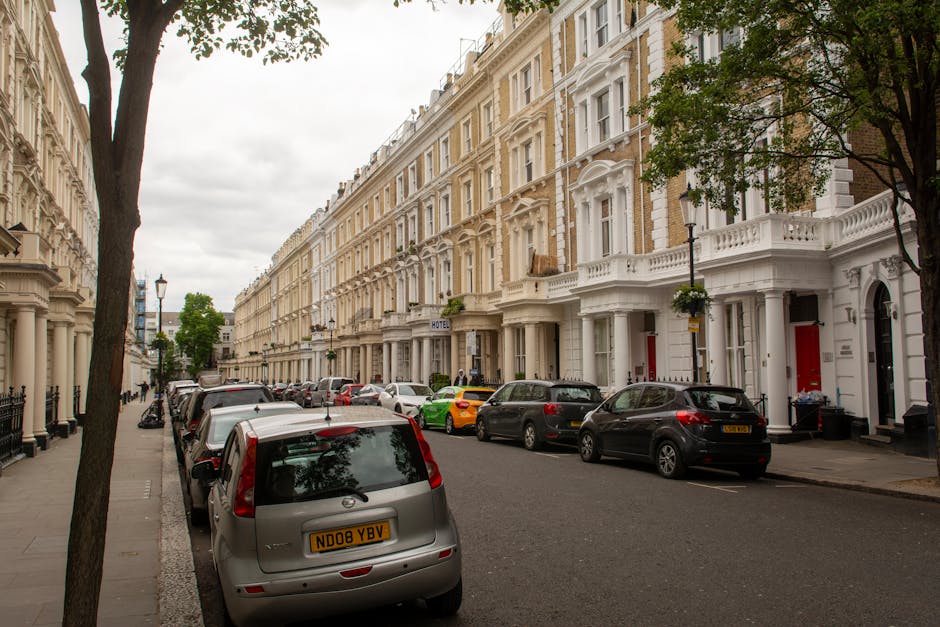
Earls Court and W8 sit close together, but they do not behave like easy suburban streets. Roads can be busy, parking can be tightly controlled, and building access is often more awkward than people expect. In our experience, the difference between a simple move and a frustrating one often comes down to planning the last 200 metres: where the van can stop, how the team will carry items inside, and whether the route to the front door is actually usable with boxes, trolleys, and furniture in hand.
That matters for a few reasons. First, parking delays can create knock-on problems. If the crew cannot load or unload close enough to the property, you may need extra carrying time, and that can slow everything else down. Second, access problems can make fragile items more vulnerable. A narrow stairwell, a building with no lift, or a door that swings awkwardly can add risk if nobody has checked it properly. Third, if you are moving during a school run, peak traffic, or the usual London midday bustle, even a short route can become fiddly fast. Let's face it, a van stuck circling a block is nobody's idea of a good start.
This is why route and parking planning is not a side issue. It is the backbone of a tidy removals day. It also sits neatly alongside other practical moving decisions, such as choosing the right service level and preparing the property in advance. For related planning support, the advice in our packing service page can be helpful if you want to reduce handling time and protect delicate items more effectively.
Practical takeaway: on a local London move, the most important distance is often not the journey between postcodes. It is the distance from the van to the door, and the number of obstacles in between.
How Earls Court to W8 removals route parking and access tips Works
The route itself is usually straightforward. Earls Court to W8 can often be covered quickly in normal traffic, but "quickly" is not the same as "simple". The practical work begins with understanding the streets, building access points, restrictions, and timing.
1. Map the route and the likely pinch points
Start by checking the main and back-up route. For example, a driver may prefer a cleaner run across local arteries rather than a shorter route that passes through a road with frequent congestion or difficult turning space. If there are roadworks, event traffic, or timed restrictions, the shortest route may not be the best route. A good removals plan always includes a realistic alternative. One street closure can throw things off, especially if you are dealing with a fixed lift booking or a delivery window.
2. Assess parking at both addresses
Parking needs to be thought through at the old address and the new one. At the Earls Court end, ask: can a van stop close to the entrance, is there a pay-and-display bay, is there a permit zone, or is the road too narrow for prolonged loading? At the W8 end, you may face a different set of issues: resident bays, controlled hours, a private forecourt, or a building entrance hidden around the corner. Sometimes the problem is not the road itself, but how the van gets positioned without blocking neighbours, buses, or the entrance to a mews. Small detail, big difference.
3. Check access inside the building
Access is more than the front door. It includes steps, communal corridors, lift dimensions, doorway widths, ceiling height, and whether there are sharp turns on the stairs. If you are moving furniture such as wardrobes, beds, mirrors, or large sofas, a quick visual check can save a lot of trouble. People often think the item is the issue, but usually it is the corner it has to make halfway up the staircase.
4. Align timing with the building and the street
Timing matters in London because the street is never quite still. Early morning can be quieter for parking, but building access may require prior notice. Midday can be easier for staff availability, but traffic may be heavier. In the late afternoon, some roads become much harder to load from. There is no universal perfect slot. The best time depends on the property, the local parking controls, and whether the move-in or move-out is tied to a landlord, concierge, or lift booking.
5. Load in the right order
Even with a short route, the loading sequence should match access reality. Items needed first at the destination should go in last, unless the team prefers a different order for weight balance. Fragile pieces should be separated and clearly marked. If there are parking limits, the team needs a loading plan that avoids unnecessary back-and-forth. That is basic, but people do forget it. In the rush, the kettle ends up under the winter coats, and nobody wants that sort of surprise.
Key Benefits and Practical Advantages
Good route, parking, and access planning is not just about avoiding disasters. It also makes the whole move cleaner, quicker, and less draining. You notice it in the little things first: fewer pauses, fewer questions from the crew, fewer moments where everyone stands around trying to figure out whether the sofa will fit through the door. Then the bigger benefits become obvious.
- Less downtime: A van parked correctly can load and unload more efficiently.
- Lower risk of damage: Shorter carrying distances mean fewer chances for knocks, scrapes, or drops.
- Less stress for you: When the access plan is clear, you do not need to keep making decisions on the spot.
- Better use of labour: Removal teams can focus on moving items rather than solving avoidable access problems.
- More predictable costs: If the crew knows in advance about stairs, parking restrictions, or awkward entry points, estimates are usually more reliable.
There is also a trust benefit. When you explain the parking and access picture clearly, everyone works from the same expectation. That can be the difference between a move that feels slightly improvised and one that feels properly managed. If you are comparing moving support, it is worth checking whether the provider can adapt to local access conditions and provide flexible scheduling, especially for a same day removals situation or a tight turnaround.
Who This Is For and When It Makes Sense
This topic is relevant for a wide mix of movers. It is not just for people relocating large houses or expensive furniture. In fact, some of the trickiest moves are small ones, because people assume they will be easy and do not prepare enough. A one-bedroom flat in W8 can be more awkward than a larger property elsewhere if the building access is tight and parking is restricted.
This guidance makes sense if you are:
- moving from a flat in Earls Court to a property in W8
- relocating with furniture that is large, heavy, or awkward to manoeuvre
- working around a landlord, concierge, or lift booking
- trying to minimise disruption on a weekday
- using a van that needs a realistic stopping point near the property
- moving with children, pets, or a packed diary and simply need the day to run smoothly
It is also useful if you are still deciding what level of help you need. Some people want a full removals service. Others just need loading support, transport, or packing advice. If you are somewhere in the middle, our office removals and storage services pages can help you compare what kind of support reduces pressure the most. That comparison stage matters, actually. It prevents overpaying for help you do not need, while still protecting the parts of the move that are genuinely tricky.
Step-by-Step Guidance
If you want the move to feel manageable, follow a simple process. Nothing fancy. Just a clear sequence.
Step 1: Walk the route at both ends if you can
Look at the street outside each property. Notice whether there is enough room for a van to stop legally and safely, whether there are resident bays, and whether there is a clear place to park without blocking access. At the destination, check if the building entrance is obvious or tucked away behind another frontage. In W8, a "short walk" from the van can still feel long if you are carrying boxes up steps in light drizzle. London likes that sort of thing, of course.
Step 2: Measure the access points
Measure the lift, doorway, and key turns inside the building. If you are moving a sofa or bed frame, measure the item too. A few centimetres can decide whether an item passes cleanly or has to be dismantled. Remember to check handrails, low ceilings, and tight bends on stairwells. The furniture may fit perfectly in the room, but getting it there is the real game.
Step 3: Confirm parking rules before moving day
Do not leave parking as an on-the-day surprise. Check whether you need a permit, suspension, visitor permission, or a loading-only space. If a bay is time-limited, make sure the move plan respects those time limits. If the building sits on a private road or estate, ask how removal vehicles are usually handled. You want certainty, not hopeful guessing.
Step 4: Decide who is responsible for what
One person should own the parking plan. Another should keep an eye on building access. If everyone assumes someone else has dealt with it, things tend to drift. This is especially true when there is a narrow window for arrival. A simple responsibility split helps avoid that awkward five-minute scramble where nobody is quite sure who has the fob, the bay number, or the concierge contact.
Step 5: Prepare the items in order of handling
Pack and label the items you will need first. Place breakables separately. Keep screws, keys, and fittings in clearly marked bags. If something is likely to need disassembly, do that before the van arrives if possible. It is easier to work through a checklist in a quiet flat than to do it while the street is busy and the lift has a queue.
Step 6: Keep one flexible buffer in the plan
Even the best-prepared move can run slightly late. A loading bay may be occupied. A neighbour's vehicle may block part of the road. The concierge might arrive late. So build in a bit of slack if you can. Not a huge amount. Just enough to keep the plan from snapping when one small thing changes. To be fair, that little buffer often saves the day.
Expert Tips for Better Results
A few practical habits make a real difference on this route.
- Use a timing buffer around school runs and peak traffic: Even when the move itself is local, the area can slow down sharply at predictable times.
- Photograph the parking location and access path in advance: Pictures help the removals team understand the exact setup, especially if the building entrance is hidden or the street is busy.
- Tell the team about awkward items early: Oversized mirrors, armchairs, marble tables, and piano-shaped regrets all need extra thought.
- Warn about narrow hallways or stair turns: That one detail can change how the load is planned.
- Protect entrances and floors where needed: Common areas in London buildings can be sensitive, and it is usually smarter to prevent scuffs than explain them later.
- Keep access codes and contact numbers to hand: Sounds obvious. Gets forgotten all the time.
A small but useful habit is to stand outside the property for one minute and look at the move from the van's point of view. Where would it stop? How would a trolley move from pavement to door? Is there a step, a gate, a bollard, or a railing in the way? That tiny pause can reveal problems before they become problems.
If you are moving fragile or high-value items, it may also help to review our piano removals and fragile item removals information for packing and handling ideas that transfer well to other delicate belongings.
Common Mistakes to Avoid
Most moving issues on this route are preventable. The same few mistakes crop up again and again.
Assuming parking will be easy because the distance is short
Short distance does not equal easy access. It can actually make parking more important, because the whole move may depend on finding a close stopping point quickly.
Forgetting about building restrictions
Some buildings have strict access windows, concierge rules, or lift reservations. If you do not check those in advance, the move can stall before it has really started.
Not measuring large furniture
This is a classic mistake. A sofa can look fine in a room, then turn into a problem at the staircase. Measure before the day, not after the panic.
Leaving packing too late
Packing at the last minute leads to weak boxes, poor labels, and more handling time. It also makes it harder for the team to load logically.
Ignoring nearby restrictions and neighbours
On tight London streets, even a small loading error can affect residents, deliveries, or passing traffic. Keeping the process neat and respectful avoids friction. It is just better all round.
Not having a backup plan
If the first parking option is taken, what happens next? If the lift is out of service, can the move still continue safely? If there is no backup plan, everyone has to improvise under pressure.
Tools, Resources and Recommendations
You do not need a complicated tech stack for a local move, but a few simple tools can make the planning much easier.
- Phone photos: Use them to record parking spaces, entrance steps, corridors, and tricky corners.
- Tape measure: One of the most useful items in the whole process. Basic, but indispensable.
- Printed access notes: Keep one note with the gate codes, contact names, floor number, and any parking instructions.
- Room labels: Helpful for directing boxes to the right place and avoiding repeated trips.
- Protective materials: Floor runners, blankets, tape, and covers help prevent scratches and scuffs.
- Move-day essentials bag: Pack keys, chargers, documents, medication, snacks, and anything you do not want buried in a box.
For a more organised move, it may also be worth reviewing packing materials so you are not scrambling for the right boxes the night before. If you are balancing belongings between properties, student removals guidance can be surprisingly useful too, because the need for efficiency and careful planning is very similar, even if the scale is smaller.
One practical recommendation: keep your access notes in your phone and on paper. Phones are brilliant until the battery is low, signal is patchy, or someone else needs the information at the same time. Old-school backup, bit of pen and paper, still works.
Law, Compliance, Standards, or Best Practice
For London removals, the legal and compliance side is mostly about parking, loading, traffic rules, property access, and safety. You do not need to become a transport lawyer, but you do need to be sensible and careful.
Here are the main best-practice points to keep in mind:
- Parking restrictions: Always check local parking rules, permit requirements, loading bay limits, and any suspension conditions relevant to the streets at both ends.
- Access permissions: If the property is in a managed building, private estate, or block with concierge rules, confirm access arrangements early.
- Safe loading: Keep pathways clear where possible, avoid blocking entrances, and load in a way that reduces manual handling risks.
- Common areas: Protect shared hallways, lifts, and floors if the building expects it. Many residents and managing agents take this seriously, and rightly so.
- Vehicle considerations: Make sure the removals vehicle is appropriate for the street size and turning space. Overly large vehicles can create avoidable complications.
There is also a basic duty of care issue here. If items are being carried through shared spaces, both the movers and the resident should think about cleanliness, damage prevention, and safe passage. That does not mean everything has to be wrapped like museum glass, but it does mean common sense should lead the way. Best practice, honestly, goes a long way.
Options, Methods, or Comparison Table
If you are deciding how to handle the move, it helps to compare the common approaches. The best choice depends on property access, parking, volume, and how much help you want on the day.
| Method | Best for | Advantages | Drawbacks |
|---|---|---|---|
| Self-managed move with hired van | Very small moves with straightforward access | Lower upfront cost, flexible timing | You handle parking, lifting, route planning, and risk |
| Man and van service | Flat moves, short-notice jobs, lighter household loads | Flexible, practical, easier for awkward access | May still need careful parking and access prep |
| Full removals service | Larger homes, stairs, fragile furniture, time-sensitive moves | More support, better for heavy lifting and planning | Higher cost than minimal help |
If access is tight and parking is uncertain, a more hands-on removals service often pays for itself in saved time and reduced stress. On the other hand, if you are moving a few boxes and one bed, a lighter service may be enough. The key is not choosing the "best" option in the abstract. It is choosing the right one for the actual building, street, and load.
Case Study or Real-World Example
Here is a realistic example. A couple moving from a second-floor flat near Earls Court to a W8 apartment assumed the route would be easy because the postcodes are close. The journey itself was fine. The issue came at the destination. The road outside the new property had resident parking controls, the entrance was around a corner, and the lift was smaller than expected. Nothing dramatic, but enough to slow things down.
What helped? They had already sent photos of the entrance and the parking bays. They also flagged a large corner sofa and a tall bookcase that might need dismantling. The removal team adjusted the order of loading, arrived with the right tools, and used a short carrying route from the nearest legal stopping point. There were still a couple of small delays, because London is London, but the move stayed calm and controlled.
The lesson is simple. The physical distance between Earls Court and W8 is not the main challenge. The access details are. Once those are known, the move becomes much easier to manage.
Practical Checklist
Use this checklist before moving day. It is simple, but it catches a lot.
- Confirm the moving date, time, and arrival window
- Check parking restrictions at both addresses
- Find out whether permits, suspensions, or loading bays are needed
- Measure doorways, stairs, lifts, and large furniture
- Take photos of the entrance, street, and parking area
- Confirm any concierge, estate, or building access instructions
- Prepare access codes, keys, and contact numbers
- Pack fragile items separately and label boxes clearly
- Disassemble awkward furniture if needed
- Protect floors, corridors, and shared areas where appropriate
- Keep a backup plan for parking or access changes
- Set aside essentials you will need immediately on arrival
Expert summary: the smoother the parking and access plan, the less the move depends on luck. That is the heart of it. Good preparation cuts down friction, keeps people calmer, and usually saves time where it matters most.
Conclusion
Moving from Earls Court to W8 should not be made harder than it needs to be. With a short local route, the real win is in the details: where the van stops, how the load reaches the door, whether the building access has been checked, and whether everyone knows the plan before the first box moves. Get those parts right and the day feels much lighter.
If you remember only one thing from this guide, let it be this: route planning is important, but parking and access planning is what keeps a London move on track. A few careful checks before the van arrives can save a surprising amount of stress later. That is true in Earls Court, true in W8, and probably true in every busy corner of London.
If you would like help planning the move properly from the start, speak to a removals team that understands local access quirks, parking limitations, and the realities of busy West London streets. A calm move is still possible. Often, it just needs the right preparation.
Get a free quote today and see how much you can save.
Frequently Asked Questions
How long does an Earls Court to W8 removals job usually take?
The journey itself is often short, but the full job depends on parking, access, stair counts, lift availability, and how much you are moving. A well-prepared small move can be very manageable, while a larger flat with tight access can take longer than people expect.
Do I need a parking permit or suspension for a removals van?
Often, yes, depending on the street and time of day. You should always check the parking rules for both addresses in advance. If there is controlled parking, loading restrictions, or resident bays, the safest approach is to confirm what is allowed before moving day.
What if the van cannot park right outside the property?
Then the team needs a realistic fallback plan. That might mean a nearby legal loading point, a different street approach, or a slightly longer carry. It is better to plan for that now than discover it while the driver is already waiting.
How do I know if my furniture will fit through the building?
Measure the item, then measure the doorway, staircase turns, and lift dimensions if relevant. Take note of anything that reduces clearance, such as handrails, low ceilings, or awkward corners. If in doubt, dismantling can solve a lot of problems.
Is Earls Court to W8 a difficult route for removals?
The route itself is usually not the hardest part. The real difficulty tends to be parking, building access, and timing. That is why local knowledge and careful planning matter so much more than raw distance.
Should I book a removals company for a short local move?
If access is awkward, parking is limited, or you have heavy furniture, booking help can be well worth it. Short moves still involve lifting, route planning, and time pressure. Sometimes the small move is the one that needs the most coordination.
What should I tell the removals team before the move?
Share the exact address details, parking restrictions, floor number, lift availability, access codes, awkward furniture sizes, and any building rules. Photos are especially useful. The clearer the brief, the smoother the day usually goes.
Can I move in or out during busy traffic times?
You can, but it may make parking and travel slower. If you have flexibility, try to avoid the busiest local traffic periods. If you do not, build a buffer into the plan so that one delay does not unsettle the whole day.
What are the most common access problems in W8 buildings?
Tight stairwells, small lifts, limited parking, concierge restrictions, and hidden entrances are all common issues. None of them are impossible, but they do need to be checked early so the removals team can plan properly.
How can I reduce the cost of a removals move in this area?
Good preparation is the easiest way. Pack early, label boxes clearly, dismantle furniture where appropriate, and provide accurate access information. The less time the team spends solving avoidable problems, the more efficient the move can be.
What is the best time of day for a move like this?
There is no single perfect answer. Early starts can help with parking, while midday may suit some buildings better. The best time depends on traffic patterns, access rules, and whether the property has a strict move-in window.
Do I need to worry about shared hallways and common areas?
Yes, a bit. Shared spaces should be protected and kept clear where possible. In managed buildings, this is often expected as part of the moving process. A little care here avoids damage and keeps relations with neighbours much better.
What should I do if the building lift is out of service?
Tell the removals team as soon as you know. They may need to adjust the plan, allow extra time, or bring additional help depending on the load and stairs. It is one of those situations where early notice makes all the difference.
How early should I start planning parking and access?
Ideally, as soon as the move date is confirmed. Even if the move is weeks away, early planning gives you time to check permits, building rules, access times, and any awkward items that may need disassembly. Waiting until the last couple of days is where stress tends to creep in.